


A growing number of muslims in the Netherlands, and across Europe, are asking themselves how they can grow their wealth in a way that is in alignment with Islamic principles. Halal investing refers to financial activities that comply with Islamic law (sharia). This not only involves avoiding prohibited activities but also actively contributing to the development of a transparent and fair financial system. Although the possibilities in the Netherlands are slowly expanding, they remain quite limited. By contrast, in Southeast Asia, Islamic finance has matured into a well-established sector, with countries such as Malaysia and Brunei leading on a global scale.
Foundations of Halal investing
The Islamic financial framework rests on several key pillars. At its core is the prohibition of interest (riba), which is considered a form of exploitation. This makes conventional bonds and savings accounts generally unsuitable for halal investors.
In addition, sharia prohibits excessive speculation and gambling (gharar and maysir), which excludes investments that rely purely on chance or extreme volatility, such as derivatives or speculative cryptocurrencies. Investments in sectors deemed religiously or morally impermissible—such as alcohol, pork, conventional banking, gambling, pornography, and the arms trade—are also excluded.
Wealth & Digital Trust Services
Protect, grow, and earn – with licensed wealth and digital trust solutions.
Wealth today extends beyond savings, shares, and property. Digital assets such as cryptocurrency and tokenized investments are increasingly part of modern portfolios.
Our Wealth & Digital Trust Services unite all your assets into a single, secure, and fully licensed trust structure designed to protect, manage, and grow your capital.
Read more →

Halal finance encourages investment in the ‘real’ economy. Shares in companies that offer halal products and services are permitted, provided that their debt levels and interest income remain limited. Islamic bonds (sukuk) are also common: they are tied to tangible assets and pay returns in the form of profit or rent rather than interest. Real estate investments also fit this framework, as long as financing and leasing are structured in compliance with sharia.
How and where to start as an halal investor?
For a beginner in halal investing, it is essential to establish a clear starting point. This starts evidently with personal orientation: what is the primary goal? Is it to build long-term wealth, generate recurring income, or preserve existing value? The risk profile is equally important. Stocks and funds usually offer more growth potential but also greater volatility, while real estate and sukuk tend to provide more stability.
In the Netherlands and Europe, the first steps are relatively straightforward. Opening an investment account with a broker that offers Islamic ETFs is a logical entry point. Examples include funds tracking the MSCI World Islamic Index, which includes only sharia-compliant companies. Apps such as Wahed Invest also allow direct investment in screened halal portfolios, removing the need to select individual stocks. Furthermore, halal real estate crowdfunding initiatives are emerging, enabling investors to participate with relatively small amounts.
At the same time, halal investing requires active involvement. Companies evolve, and what is compliant today may not be tomorrow. It is therefore advisable to use online halal stock screeners or to periodically consult Islamic financial experts. For newcomers, starting small and gradually expanding the portfolio is often a prudent approach.
Limitations in the Netherlands and Europe
Despite the mentioned opportunities, the market in the Netherlands and Europe remains limited and can be characterized as fragmented. Available funds are relatively small, the product range is narrow, and compliance with standards set by international regulators such as the Accounting and Auditing Organization for Islamic Financial Institutions (AAOIFI) is not always guaranteed. As a result, many Muslims look abroad to regions where Islamic finance is not a niche offering but a fully developed and integrated system.
Southeast Asia as a solid alternative
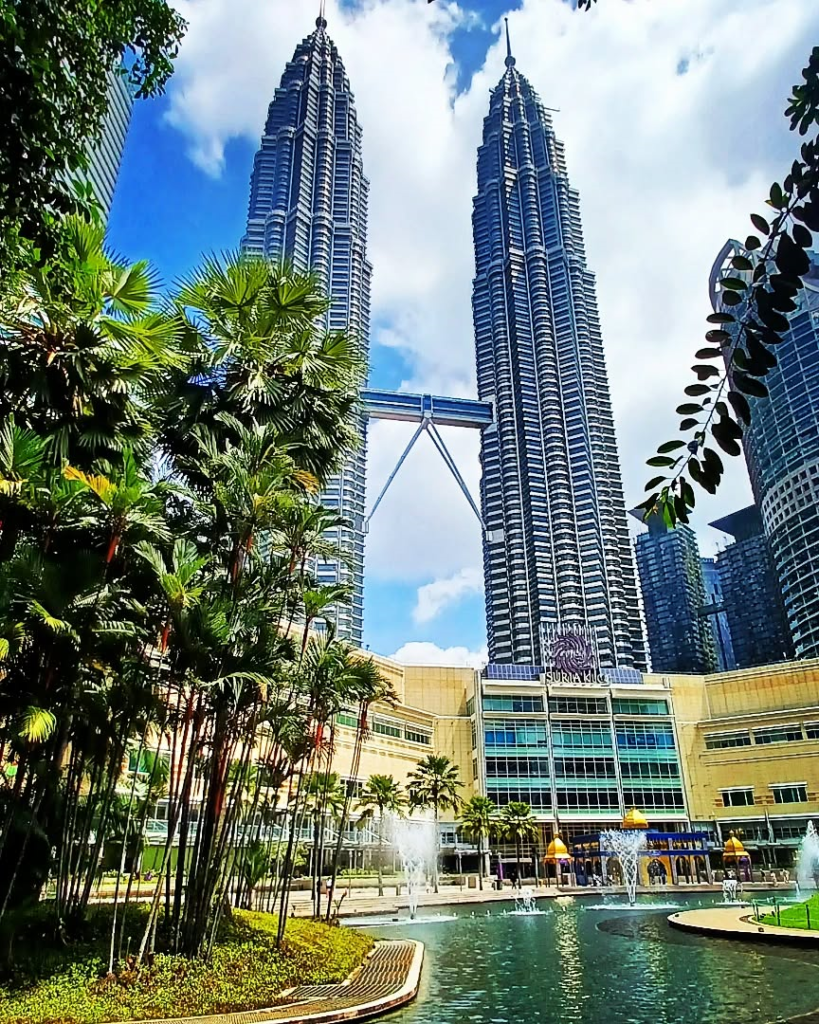
Southeast Asia has developed into a global hub for Islamic finance. Malaysia is widely regarded as a leader, hosting the world’s largest sukuk market and offering a wide range of Islamic banks and investment funds regulated by the Securities Commission Malaysia. Foreign investors can participate relatively easily, often without needing a physical presence.
Brunei also offers strong opportunities, distinguished by its smaller scale and strict adherence to sharia. The Autoriti Monetari Brunei Darussalam (AMBD) closely supervises banks and funds, fostering stability and trust. Brunei places particular emphasis on halal real estate, energy projects, and wealth management structures. For foreign investors, the country’s combination of political stability, religious consistency, and direct access to government-supported initiatives makes it attractive. Although the market is smaller than Malaysia’s, its reliability is considered a major strength.
Even non-Muslim-majority countries such as Singapore and Thailand are developing halal finance niches. Singapore has positioned itself as a center for private equity and international sukuk, while Thailand promotes halal tourism investments, including resorts and wellness projects.
Recommend strategy for foreign investors
For investors seeking entry into Southeast Asia’s halal markets, Wealth & Digital Trust Services provides an effective bridge. This platform consolidates all investable assets—both traditional and digital—under the supervision of the Securities Commission Malaysia and within the framework of the CMSA (Capital Markets and Services Act). Assets are actively managed, with investments in private credit strategies backed by collateral to ensure returns, all in full compliance with Islamic finance principles.
Through this model, investors benefit from transparency across asset classes (stocks, real estate, and digital assets), flexible access (such as annual withdrawals without penalties), and operation under locally regulated rules. With a relatively low entry threshold (USD 5,000) and an all-in-one management structure, this approach offers an accessible and legally secure pathway for newcomers to halal investing in Southeast Asia.
Conclusion
Halal investing forms a bridge between religious values and financial goals. Opportunities in the Netherlands and Europe are growing but remain limited. For those seeking relatively simple instruments, such as Islamic ETFs or specialized apps, this provides a sound starting point. However, investors looking for a broader range of options, access to a mature financial market, and stable returns will find Southeast Asia a solid alternative.
At its core, halal investing is about avoiding interest and impermissible sectors while promoting tangible economic activities. In this way, halal investing is not only a religious duty but also a forward-looking financial strategy that aligns with the global movement toward ethical and sustainable finance.


Reageer op dit bericht